


Here at the Barrington Area Library, we are big fans of escape rooms. Since, we can't hold an escape room at the library, we decided to create a virtual one! See if you can solve all of the puzzles, find the clues, and escape the library!
The escape room can be done individually or in a group. If you find you are having trouble, try the escape room as a family!
Ready to start? Click here to go to the escape room.
Looking for more fun activities? See a list of the library's upcoming events for kids.
 Youth Services Librarian Ann
Finally, Chicago baseball is back, and fans have something to cheer for! If you can’t make it in person, one of these books will surely take you out to the ballgame. (Hotdogs not included.)
|
|
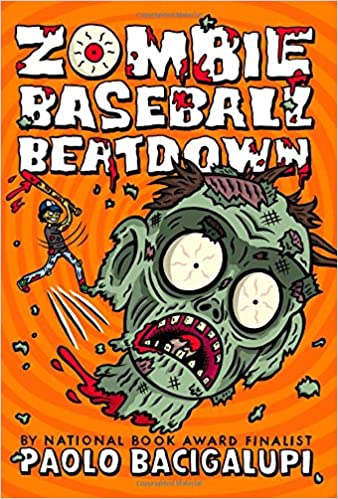
Zombie Baseball Beatdown by Paolo Bacigalupi The apocalypse begins on the day Rabi, Miguel, and Joe are practicing baseball near their town's local meatpacking plant and nearly get knocked out by a really big stink. Little do they know the plant's toxic cattle feed is turning cows into flesh-craving monsters...ZOMBIES!!! The boys decide to launch a stealth investigation into the plant's dangerous practices. Rabi and his friends will have to grab their bats to protect themselves (and a few of their enemies) if they want to stay alive...and maybe even save the world. |
|
|
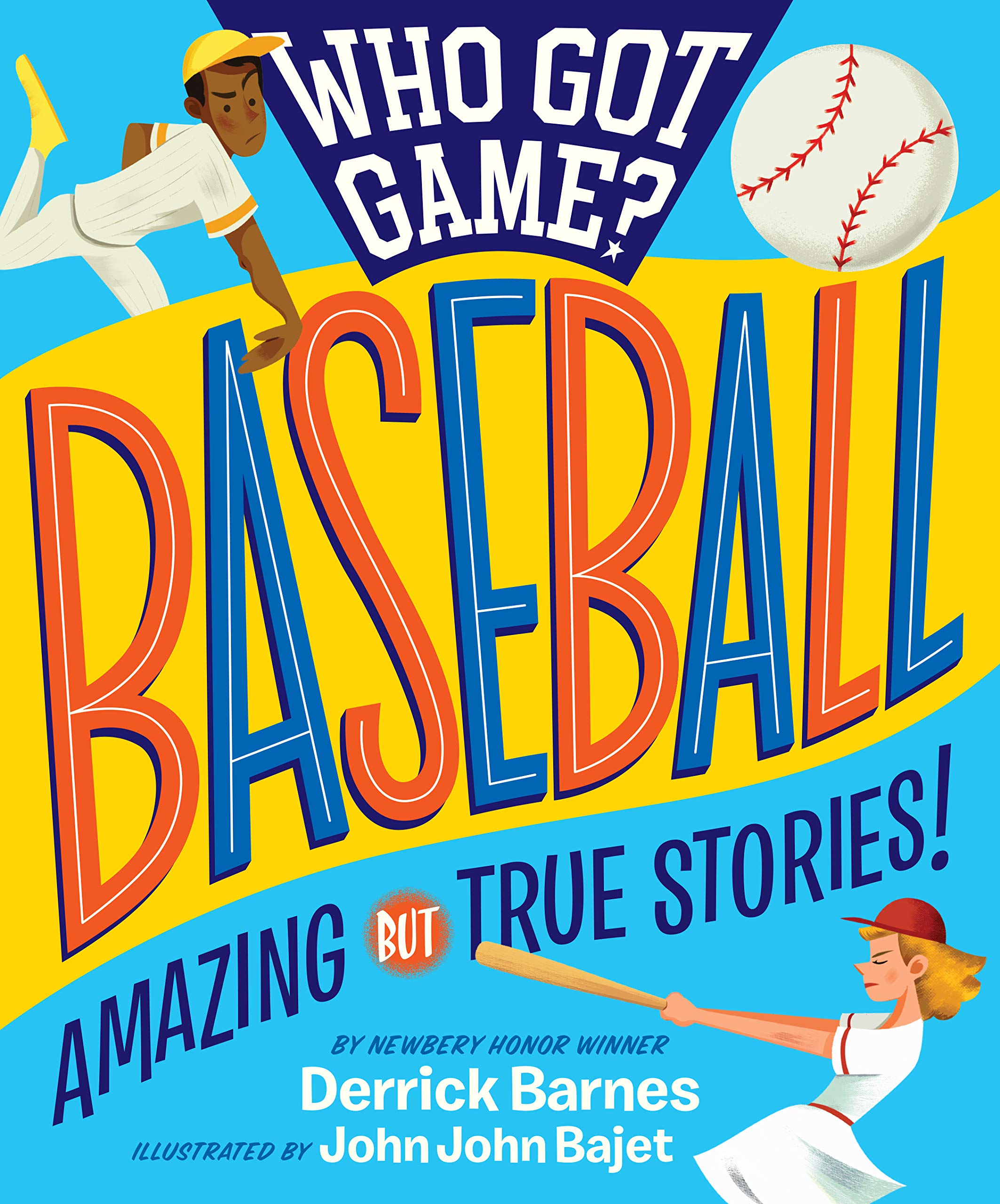
Who Got Game? Baseball: Amazing But True Stories by Derrick Barnes The author of this nonfiction book shines a spotlight on 45 fascinating baseball records, personalities, and anecdotes rarely mentioned in popular baseball lore. Like John “Bud” Fowler, William Edward White, Moses Fleetwood Walker, and Weldy Walker—four African Americans who integrated white teams decades before Jackie Robinson. Or Jackie Mitchell, the 17-year-old girl who struck out Babe Ruth and Lou Gehrig. Tons of fun for baseball fans. |
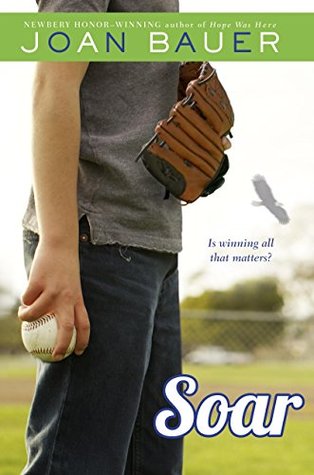 |
Jeremiah is the world’s biggest baseball fan. He really loves baseball and he knows just about everything there is to know about his favorite sport. So when he’s told he can’t play baseball following an operation on his heart, Jeremiah decides he’ll do the next best thing and become a coach. Hillcrest, where Jeremiah and his father Walt have just moved, is a town known for its championship baseball team. But Jeremiah finds the town caught up in a scandal and about ready to give up on baseball. It’s up to Jeremiah and his can-do spirit to get the town – and the team – back in the game. |
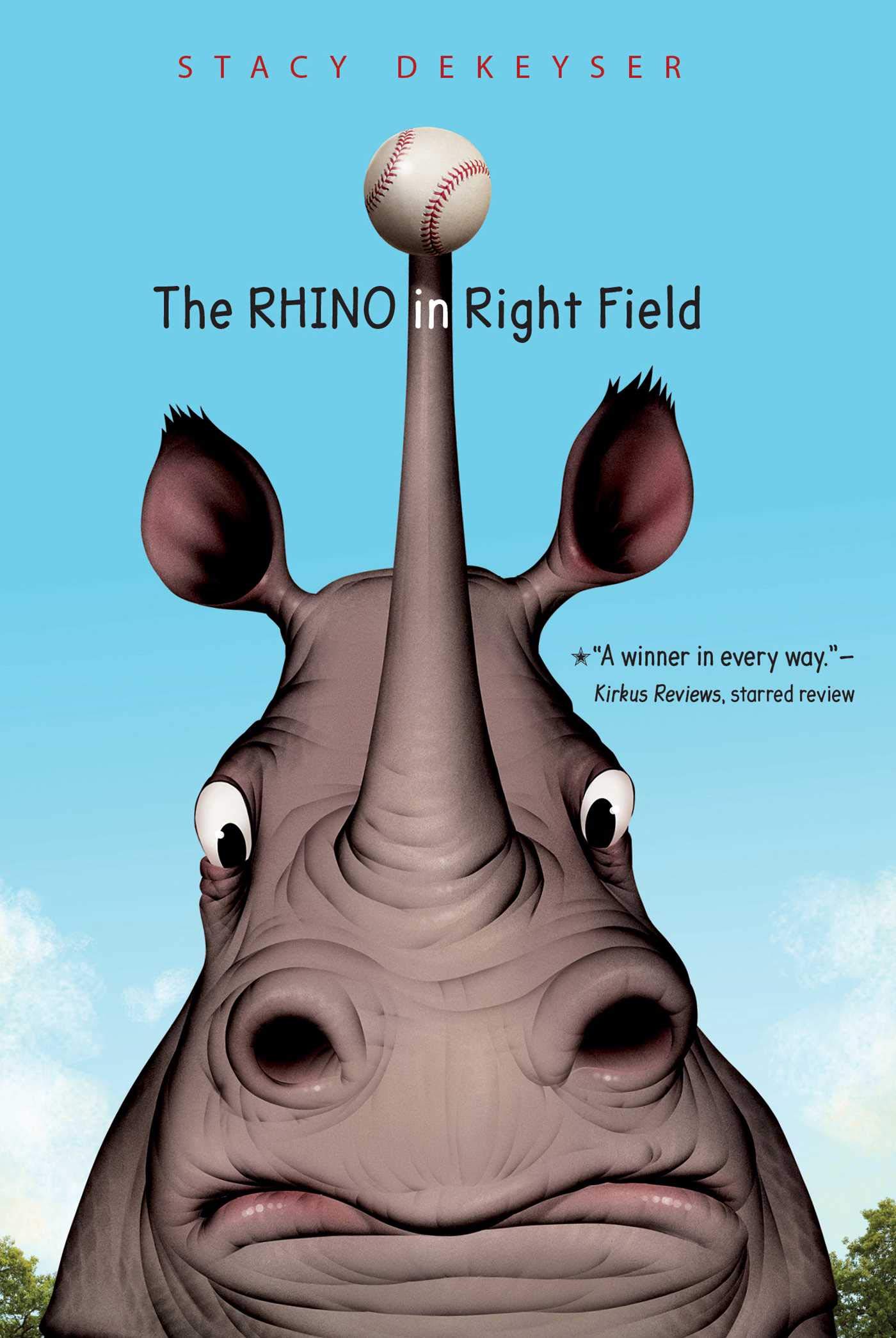 |
The Rhino in Right Field by Stacy DeKeyser It's 1948, Milwaukee, and all Nick Spirakis wants to do is play baseball, even if it means risking a run-in with a rhino, since he and his friends share a field with the city’s zoo! When the new owner of the city's minor league team, the Mudpuppies, announces a contest to crown one lucky boy Mudpuppy For a Day, Nick is ecstatic at the chance to play some real ball in a real stadium. It will take some practice, and maybe a little scheming around his parents, to make it to the competition. |
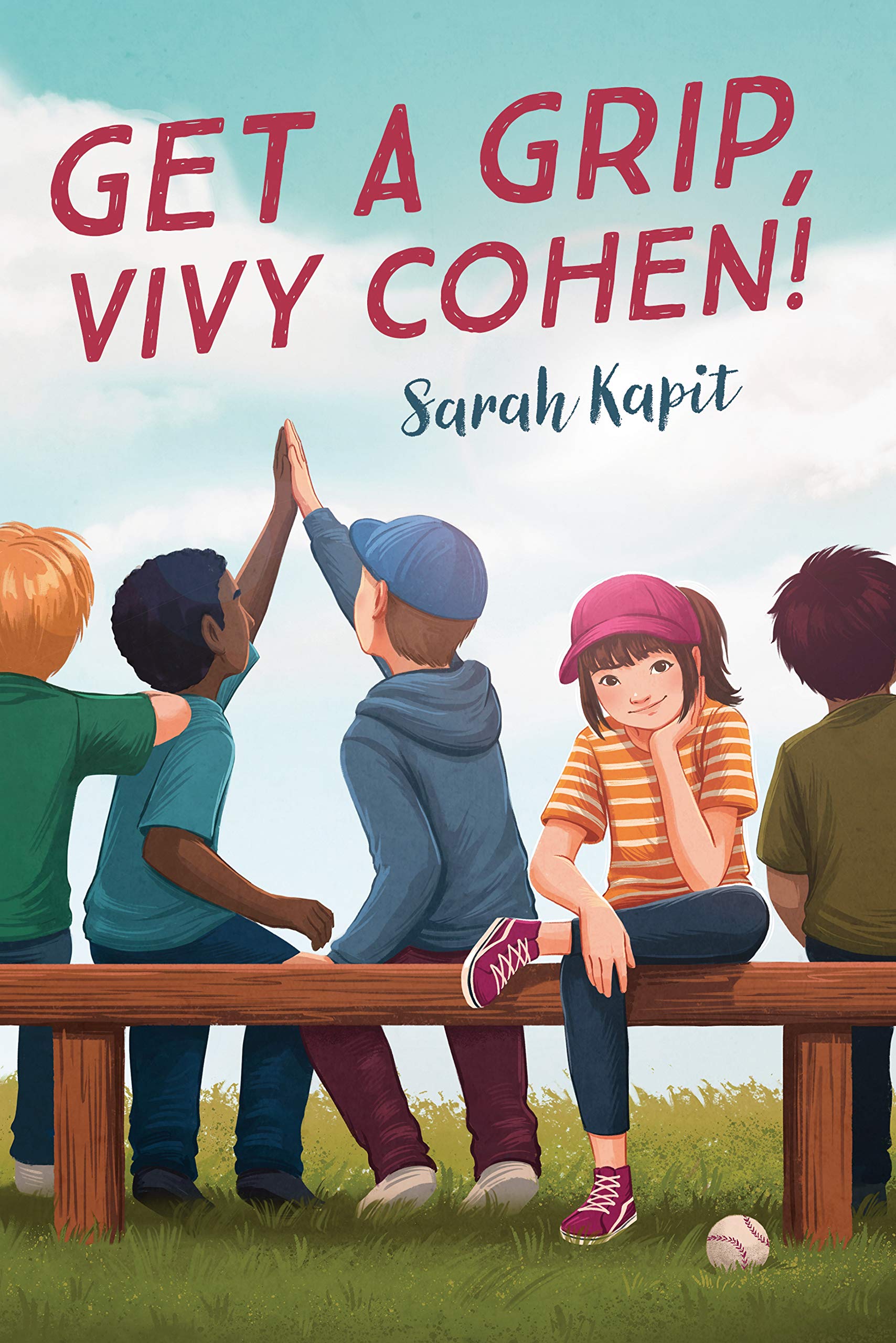 |
Get a Grip, Vivy Cohen! by Sarah Kapit Vivy Cohen wants to play baseball. Ever since her hero, Major League star pitcher VJ Capello, taught her how to throw a knuckleball at a family fun day for kids with autism, she's been perfecting her pitch. And now she knows she's ready to play on a real team. When her social skills teacher makes her write a letter to someone she knows, she writes to VJ and tells him everything about how much she wants to pitch, and how her mom says she can't because she's a girl and because she has autism. And then two amazing things happen: Vivy meets a Little League coach who invites her to join his team, the Flying Squirrels. And VJ starts writing back. |
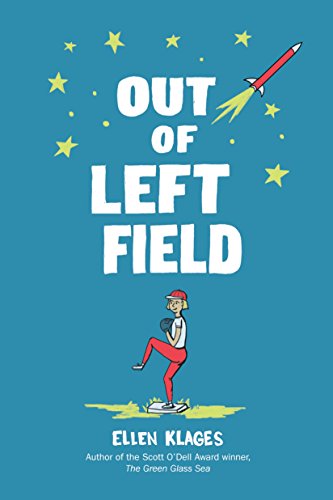 |
Out of Left Field by Ellen Klages Meet Katy C. Gordon, or just "Gordon" while she's playing ball. Even in 1957, the neighborhood boys don't care that she's a girl; with a pitch like that they wouldn't care if she was a zebra. She's good enough to pass try-outs and make it into Little League. But when the people in charge find out that "Casey" is a girl with hair tucked into a cap, they insist she's ineligible. Katy is determined to prove them wrong and learns all about the amazing history of women’s baseball in the process. |
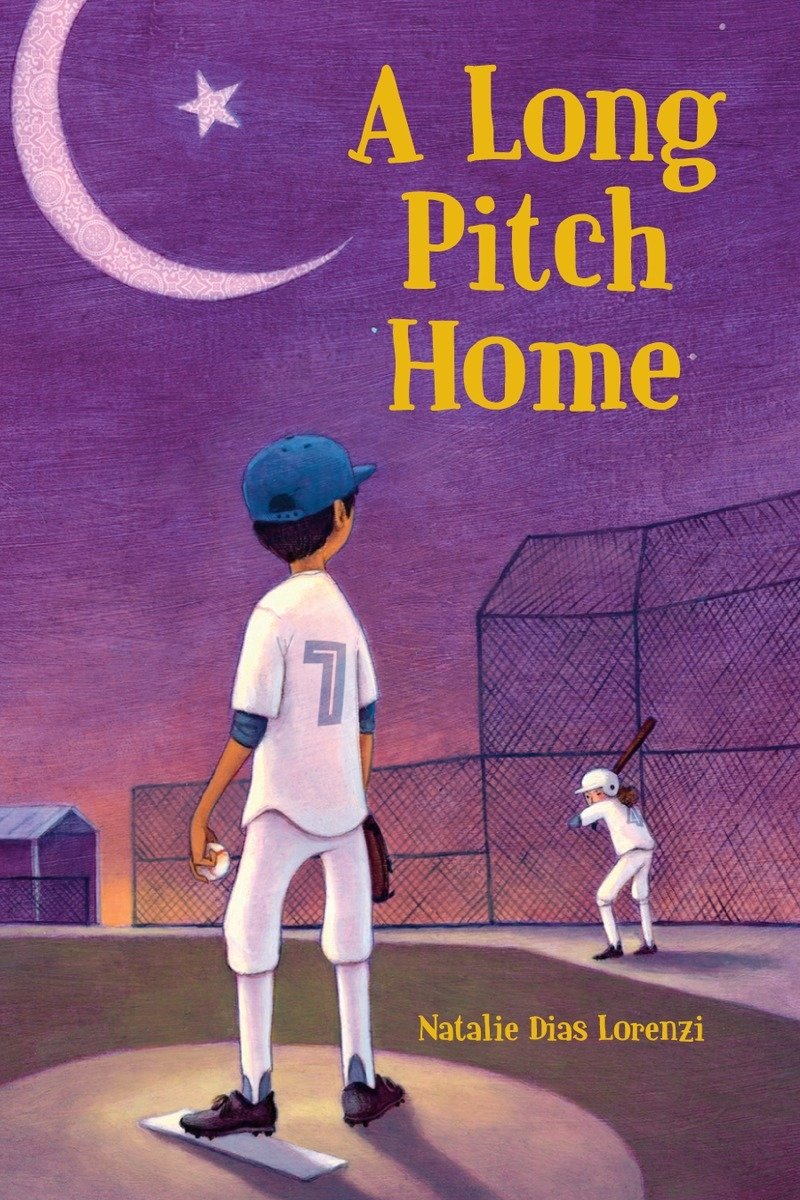 |
A Long Pitch Home by Natalie Dias Lorenzi Ten-year-old Bilal liked his life back home in Pakistan. He was a star on his cricket team. But when his father suddenly sends the family to live with their aunt and uncle in America, nothing is familiar. While Bilal tries to keep up with his cousin Jalaal by joining a baseball league and practicing his English, he wonders when his father will join the family in Virginia. Maybe if Bilal can prove himself on the pitcher’s mound, his father will make it to see him play. But playing baseball means navigating relationships with the guys, and with Jordan, the only girl on the team—the player no one but Bilal wants to be friends with. |
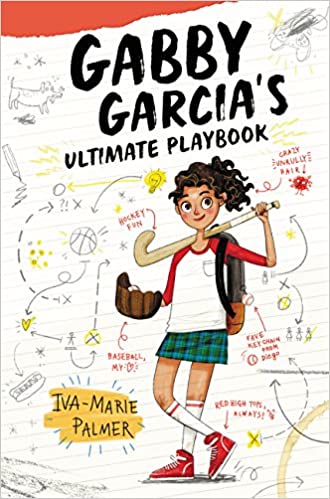 |
Gabby Garcia’s Ultimate Playbook by Iva-Marie Palmer If life were a baseball game, all-star pitcher Gabby Garcia would be having her Best. Season. EVER! Until she’s suddenly sent to another school and her winning streak is about to disappear—both on and off the field. But Gabby never gives up! She has a PLAN to keep her champion status intact, and every step is written out—PLAY by PLAY. How could it not work? Really fun story with illustrations throughout. |
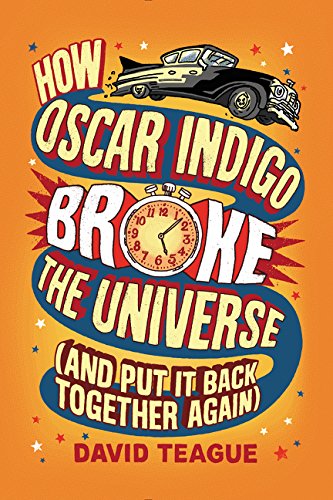 |
How Oscar Indigo Broke the Universe (And Put it Back Together Again) by David Teague Oscar Indigo has never been good at baseball, so naturally he’s nervous when he has to fill in for his team’s injured All-Star, Lourdes. Luckily, Oscar has a mysterious gold watch that can stop time, which he uses to fake a game-winning home run. Now Oscar’s the underdog hero of his town and even Lourdes wants to be his friend. But the universe is a precarious place, and you can’t just steal time without any consequences. If Oscar doesn’t find a way to return the time he stole, the universe will unwind completely. A really funny baseball book with a sci-fi twist! |
Looking for some personalized selections? Fill out this form and you’ll receive a customized list direct to your inbox!
 Youth Services Librarian Allison
Bring home a fun new project! You can now register to pick up a Take-and-Make Kit from the Youth Services desk or through Parking Lot Pickup. Here are the instructions for each kit:
Toddlers and Preschoolers: Chenille Stick Weaving
Young children work on fine motor skills and create a unique piece of three-dimensional art. Toddlers will want to master this new process. When you’re done, take it apart and make something new!
Inside the Toddler/PreK Box:
1 plastic canvas
10 chenille sticks
Bonus activity for older preschoolers - 1 craft paper bag w/ blunt plastic needle and yarn for simple sewing
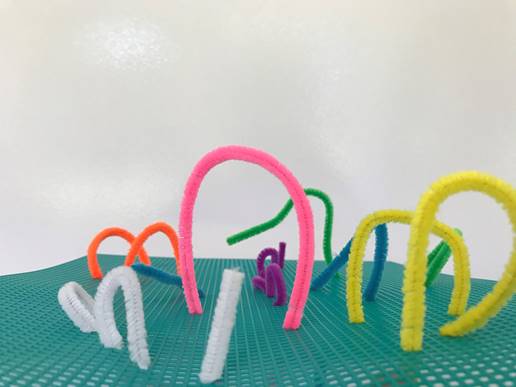
Chenille Stick Weaving:
1. Take hold of a chenille stick and push it through one of the small holes in the plastic mesh.
2. Pull it through from the other side – a little or a lot, it’s up to you!
3. Take the same end and weave it back through the plastic sheeting.
4. Do this several times with each stick.

Simple Sewing (for older Preschoolers)
Preschoolers work on hand strength and fine motor skills, while exploring the basics of sewing.
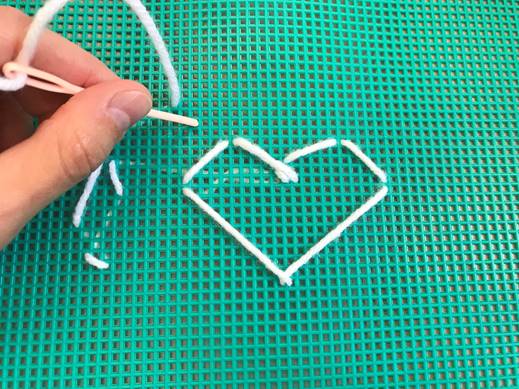
1. Thread your plastic need with yarn.
2. Push the needle through one side of the plastic canvas and pull until the yarn is partially through.
3. Pull the needle through another hole, in the opposite direct.
4. Experiment with making lines and shapes, or simply enjoy pulling the needle through the mesh.
Grades K-2: Postcards
Let everyone know what a great summer you've had with a fun, personalized postcard!
Make a Postcard:
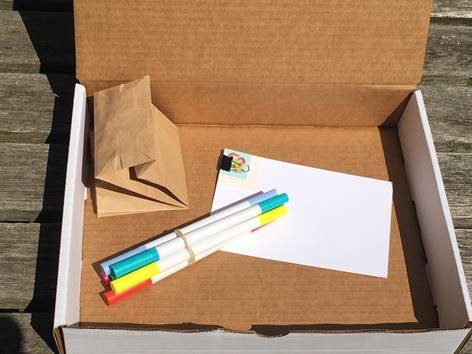
1. Take your postcard, stamp, markers, and sticker bag out of the box.
2. Decorate your card with stickers…
3. …or draw something cool with your markers (or both!)
4. Write a nice message to someone you care about on the back…
5. …and make sure you write down their address and stick on a stamp, too!
6. Now you can mail your postcard (make sure a grown up helps you with this part)!
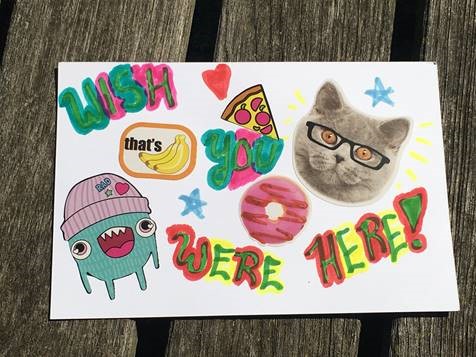
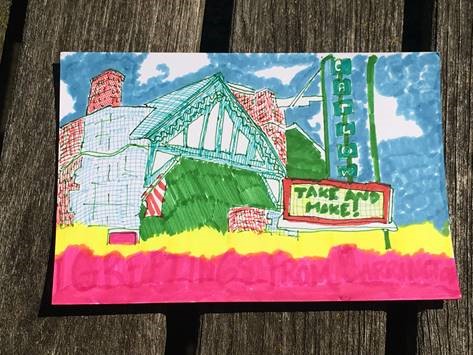
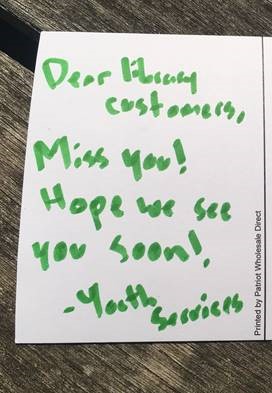
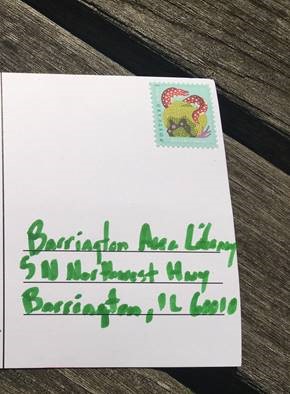
Grades 3-8: Ombre Dip Dye
Lower fabric gradually into a dye bath to create a cool textile effect: gradual layers of lighter and darker color.
In addition to the Take-and-Make Kit, you will need:
A plastic tarp or large garbage bag
A plastic container for the dye, big enough to hold the entire bandana, but less than 12 inches wide on one side. (You could line the Take-and-Make box with a plastic bag and use that!)
A disposable plastic bag
Water - between 2 and 3 cups should do it
Paper towels to catch spills
Some stackable items - boxes, cans, etc. These should be around 4-6 inches high, about the same size & shape, and you might get dye on them! I went with 4 tissue boxes.
Ombre Dip Dye:
1. Lay out the tarp or large trash bag to protect your work surface. Doing this outside is a great idea!
2. Place your container on the tarp, then create two stacked towers around the container, around 18-20 inches tall. The dowel rod will sit on top of the stacks, and the bandana will hang into the container.
3. Use the binder clips to attach one side of the bandana to the dowel rod. Set aside.
4. Put on the gloves, then add water to the top line of the dye bottle. Shake, then pour into the container. Add some more water, until there's just enough liquid so the bandana will rest in the liquid. (This will depend on the size of your container.)
5. Carefully set the dowel rod on top of the stacks, making sure the bottom edge of the bandana is getting wet.
6. Wait about 3 minutes, then carefully add 2-3 more bottles of water to the container (to dilute the dye). Holding the dowel rod in one hand, carefully remove the topmost blocks from the stack, and rest the dowel rod on the lower levels. Once again, make sure the fabric is hanging in the liquid.
7. Wait another 3 minutes. Continue in this way, diluting the dye bath and lowering the rod, until there are just a few inches of fabric not dyed.
8. Get the plastic bag ready, laying it open next to the dye bath. Carefully raise the dowel rod, allowing the drips to fall into the bath for a few moments, and then gently wring out the fabric with your gloved hand, making sure not to touch the topmost part of the bandana.
9. Place the bandana in the plastic bag, keeping the dowel rod at the top of the bag, and bring it to a sink.
10. Leaving the dowel rod attached, carefully rinse out the bandana, allowing the water to move from the top to bottom. Keep rinsing until the liquid runs clear.
11. Remove the dowel rod and wash the bandana in your washing machine, alone, on cold settings. You can dry it in the dryer, or let it air dry.
 Youth Services Assistant Librarian Alyssa
Watch “Daniel Visits School/Daniel Visits the Doctor” on Kanopy Kids using your Barrington Area Library card number to log in, and come back to this blog post to enjoy some family activities that will enhance your child’s learning around the episode.
Now that you’ve watched the episode, here is a companion video that will demonstrate some ways to practice mindfulness when your child is feeling nervous or worried.
Here are some questions that will help you unpack some of the topics in the episode with your child.
- Is there something new in your life that you are nervous or worried about? What is it? What questions do you have about the new thing? Talk through some of your concerns with a trusted adult. Sometimes just talking about it helps you feel better, and they can help you answer some of the questions that you have!
- When you feel nervous or worried about something, how does it make you feel? Can you think of something to do that might make you feel a little better? What are some things that make you smile?
Below are some other activities to try as a family.
- Try role playing some of the new situations that are making your child nervous. Act it out, show them pictures, or practice a tough conversation with them.
- Practice some art therapy with author and illustrator Christian Robinson in the episode of Making Space called “Possibility.”
- Check out our Early Learning Kit for children 3+ about emotions!
- Sign up for Little Kids, Big Feelings on Tuesday, August 25 at 11am where we will read a book about worry and practice some more breathing and mindfulness exercises!
- Here is a video where children from New Zealand explain what mindfulness means to them.
- Check out this Storytime Activity Guide for The Rabbit Listened by Cori Doerrfeld by Tandem Partners in Early Learning.
- Subscribe to the BStrong Together newsletter for tips and tools every week to enhance your child’s health and well-being.
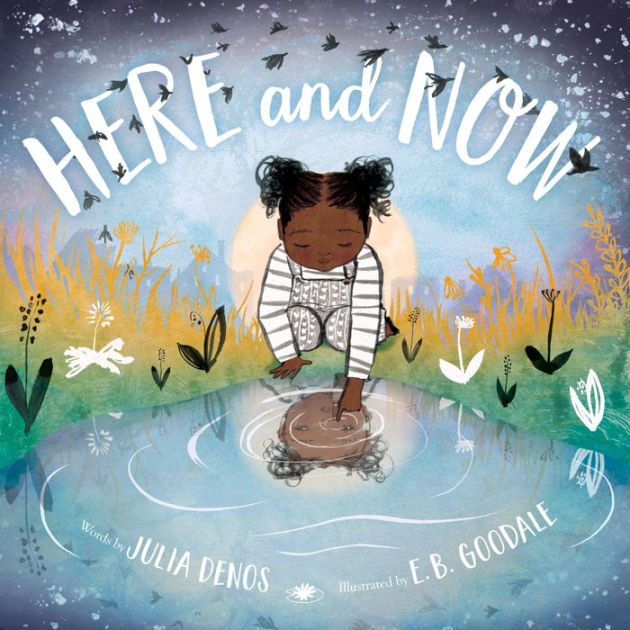
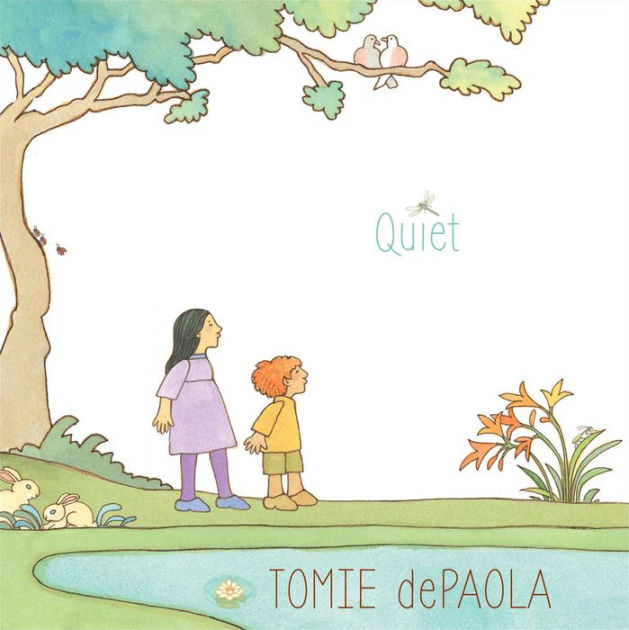
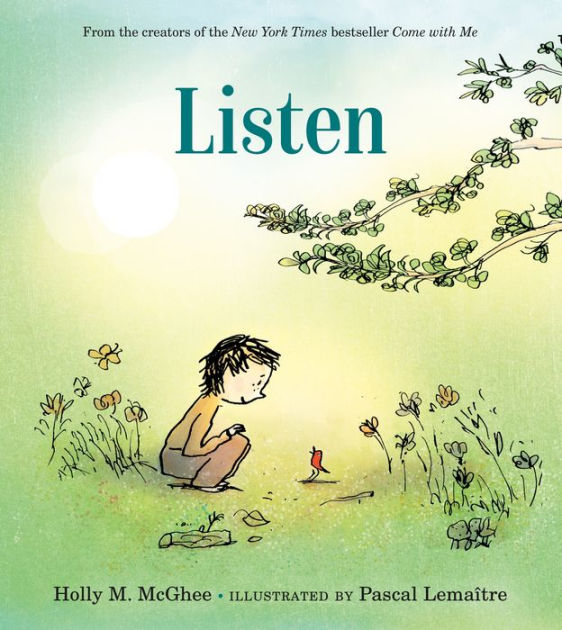
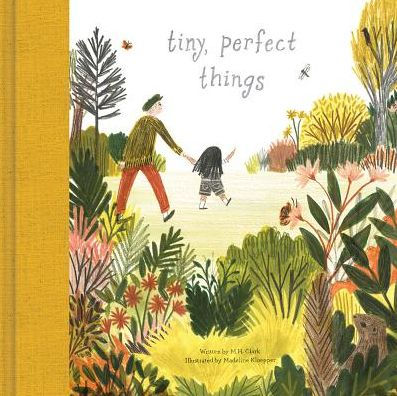
Here are the books I mentioned in the companion video.
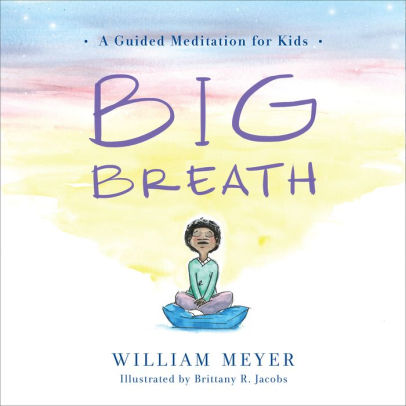
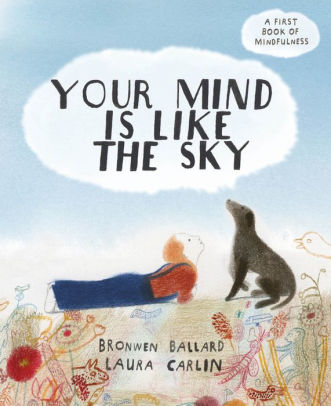
 Youth Services Assistant Librarian Stefanie
Anyone who knows about the Barrington Area Library Youth Services Department knows that we love play of all kinds! One type of play that we just love is pretend play - from putt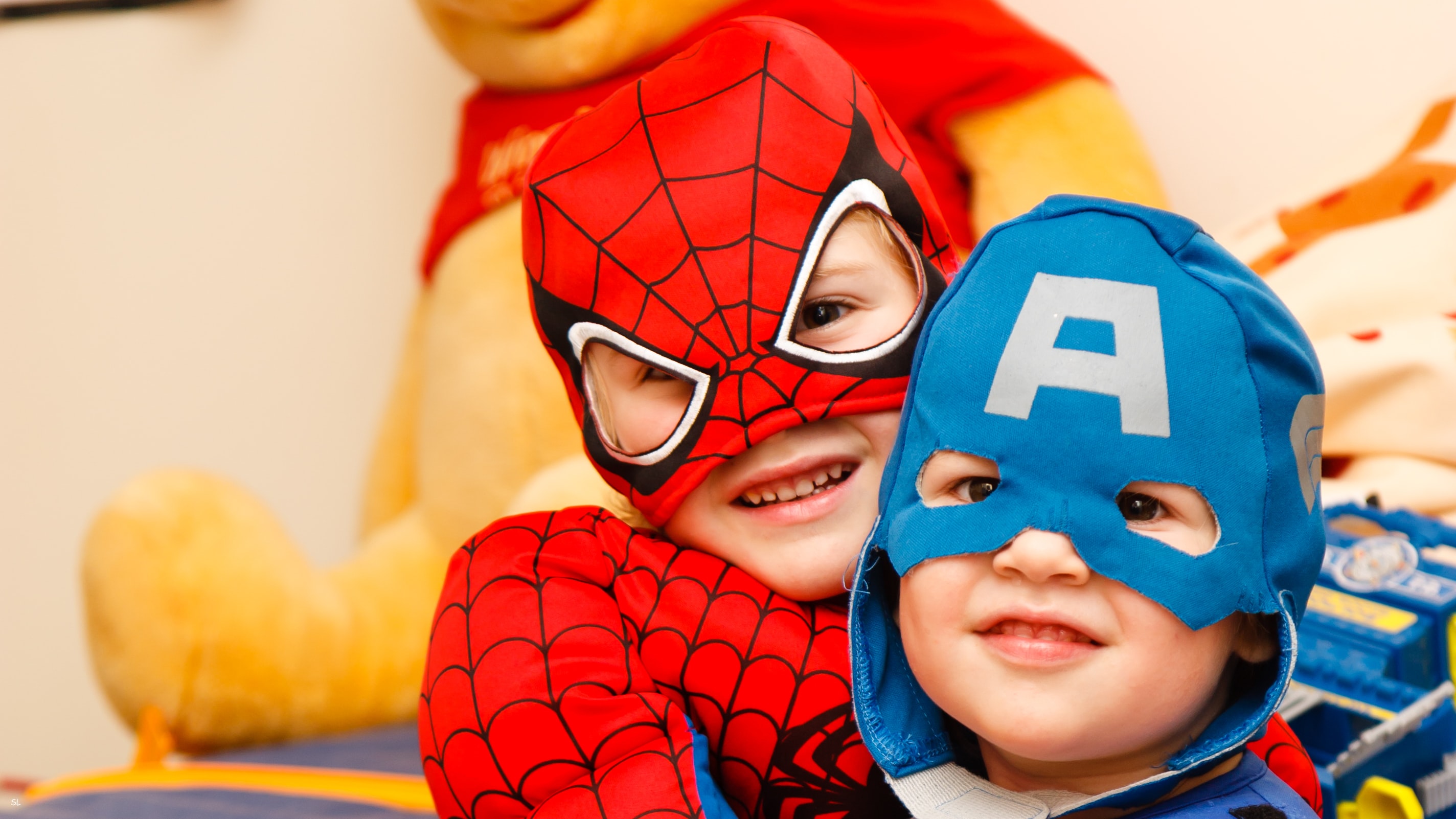 ing on some dress-up clothes to transform into a puppy dinosaur, to using play kitchen supplies to play house, to building a ship with blocks to sail the wide open seas. Sometimes children may not even need any toys or manipulatives to come up with fantastical scenarios.
Even when the pretend play seems so outlandish that it no longer has any connection to reality, children are engaging in a process that will greatly benefit them later in life.
Most obviously, pretend play is a great way for children to flex their creative skills but it also allows them to work on critical thinking and problem solving skills. By working through the scenarios they create they are building cognitive abilities that will translate to real world skills.
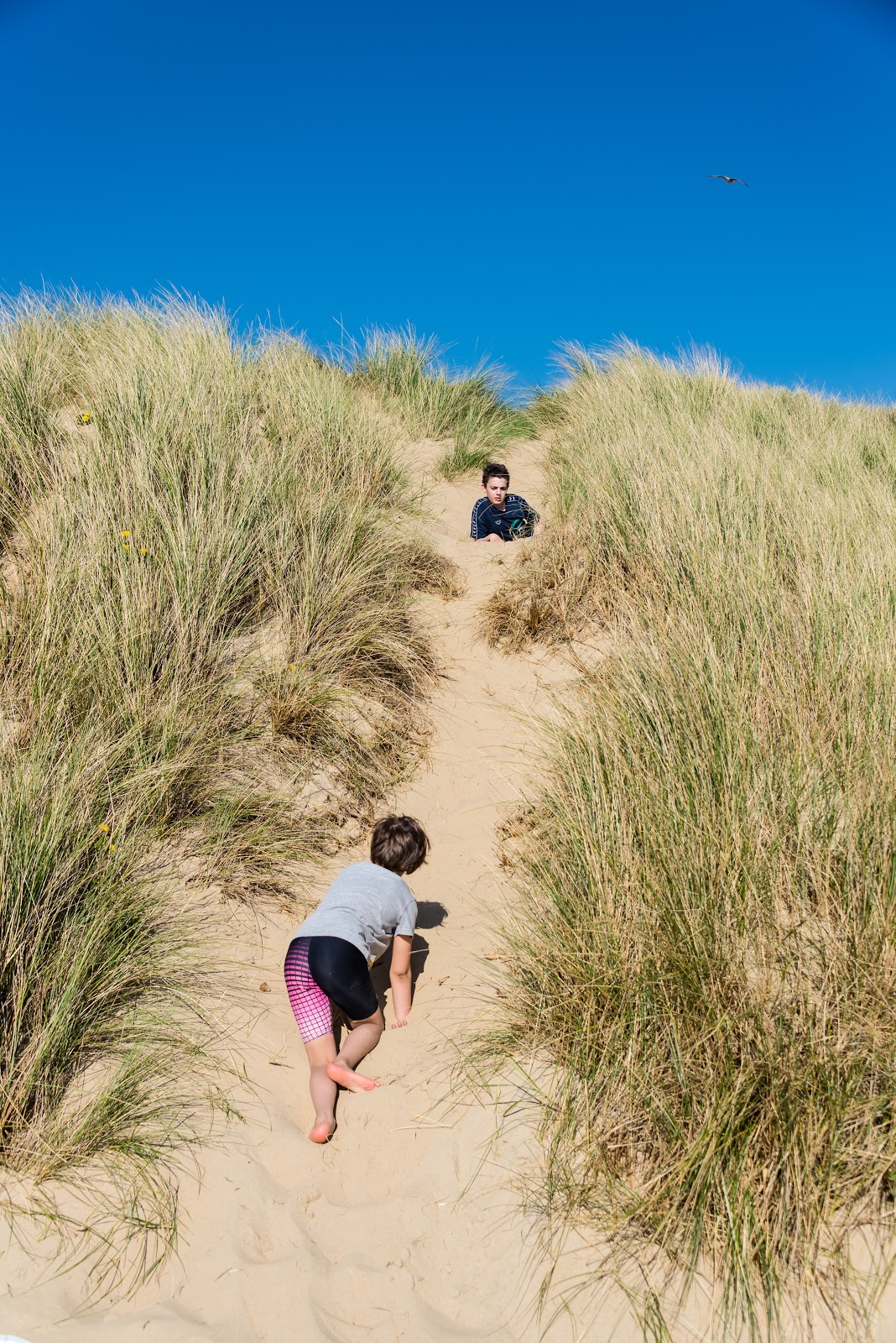 Pretend play also allows children to develop social and emotional health. Engaging in cooperative pretend play means that children are learning how to navigate social situations and learning how to interact with others, such as taking turns, making compromises, and understanding others. It also helps regulate emotional responses. Becoming too aggressive or throwing a tantrum if things don’t go the child’s way will inevitably stop the play, and no one wants that! Pretend play is also a great place for children to work through real life emotions, such as being scared or upset. They can work through these big feelings in a safe space and learn how to handle their emotions once they leave their imaginary world behind.
If that wasn’t enough, pretend play also helps develop language and communication skills. It takes a lot of non-verbal cues, talking it out, and clearly communicating the scenario for a pretend play session to be successful and fun for all involved - who wants to play if you can’t figure out what’s happening? Children will quickly learn how to use language and communicate with one another to provide themselves with the best play experience possible. It also gives them a chance to test out new vocabulary they may have learned at a visit to the doctor, zoo, or even the grocery store.
We all know how great pretend play is, but what can you do as a parent to make sure they are getting enough of the good stuff to make it happen?
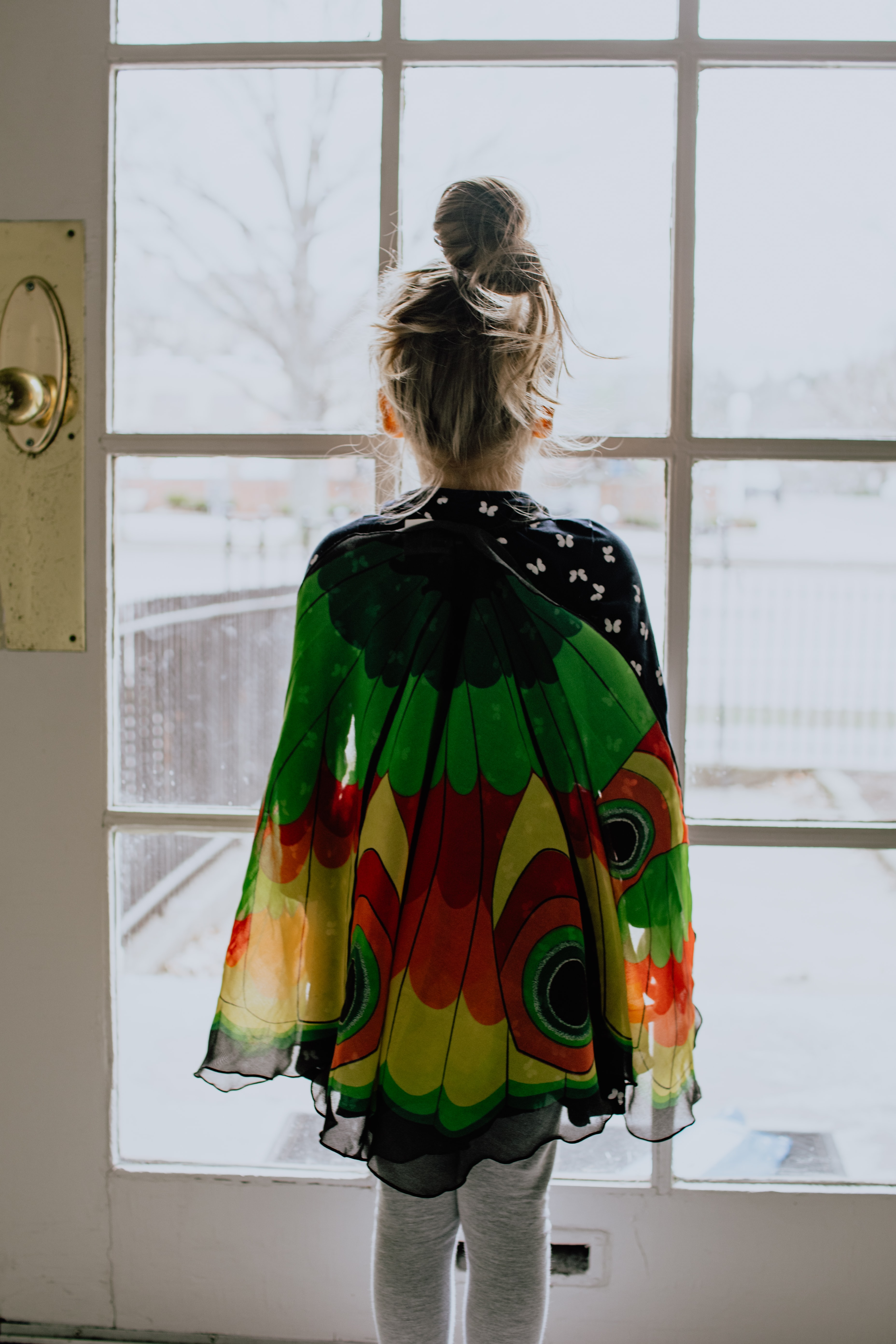 Talk to them. As you go through your day explain what you are doing and point things out to them - this increases vocabulary and gives them the building blocks to create their pretend worlds.
Provide some simple props. While there are some really great high tech toys out there, sometimes simple is best. A few dress up items, a couple dolls, and even some (child safe) kitchen items you no longer need are all fair game.
Encourage them. As children are building up an imaginary world, they may want to tell you all about it. Ask some questions and let them work through the answers all on their own. Sometimes they may not make much sense to us, but they are working on it!
Further Reading
The Need for Pretend Play in Child Development
Why Pretend Play Is Important to Child Development
8 Ways to Encourage Pretend Play in Kids
 Youth Services Librarian Demitra
On August 1, we’re inviting everyone to draw or color a picture of an iguana, hang it in your window, then take a walk through your neighborhood to see how many iguanas you can spot. Ask your neighbors and friends to join you in participating. You can even look outside around the Barrington Area Library to find a few!
Our Iguana Hunt is inspired by the “bloodsucking” iguanas of our Book of the Summer, Look Out for the Fitzgerald-Trouts by Esta Spalding. Fortunately, paper iguanas won’t attack, though Allison found out the hard way just how ferocious they can be in “real” life…
Find more activity ideas inspired by Look Out for the Fitzgerald-Trouts on our Book of the Summer webpage or YouTube channel!
Youth Services Librarian Allison
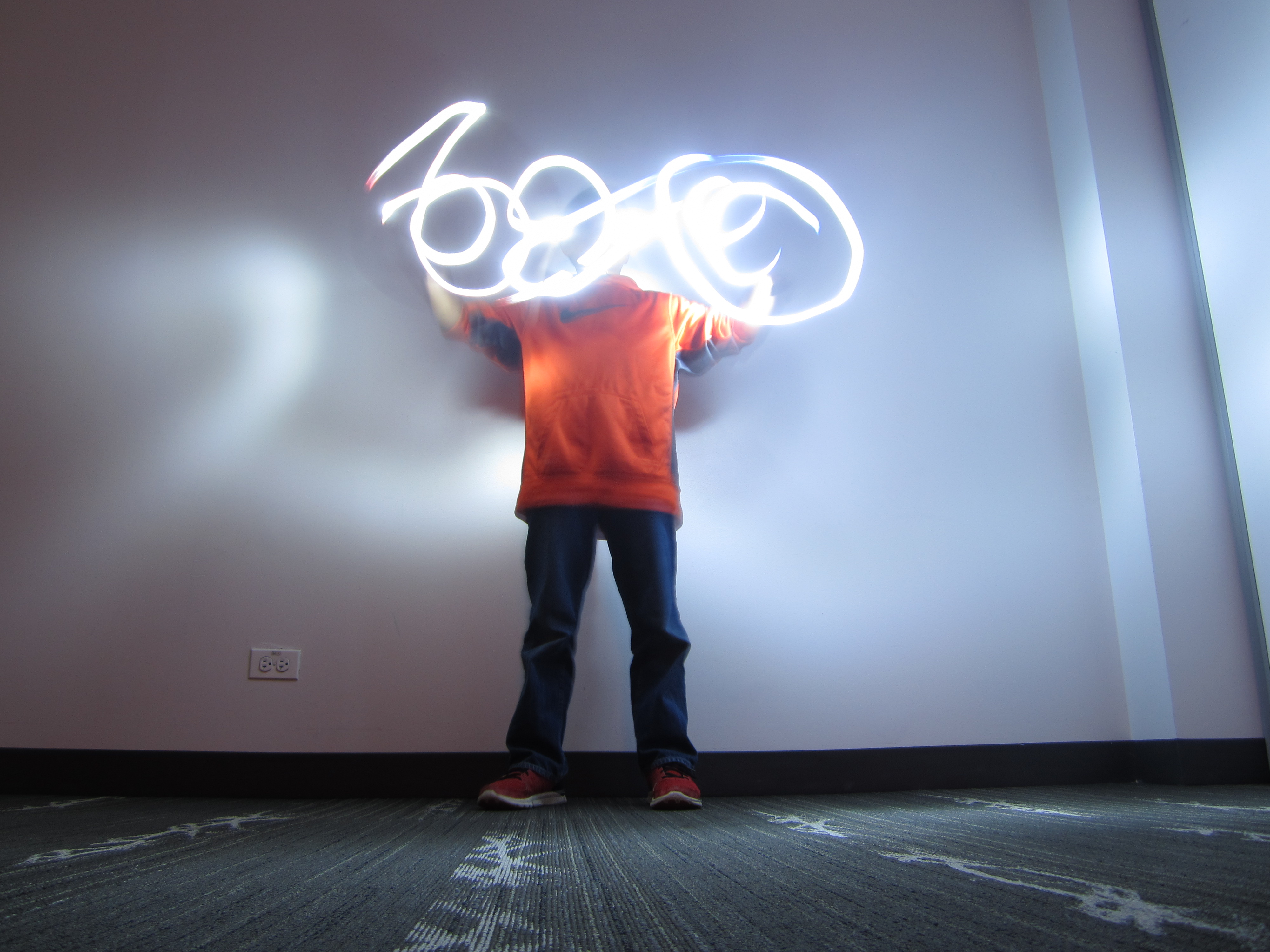
Light painting is one of my favorite programs to do with kids. It's simple, requires very few materials, and no matter the skill level, the pictures always turn out great.
You only need a few materials to do light painting:
1. A flash light. Glow sticks, finger lights, and Christmas lights can also be fun.
2. A camera set to a long shutter or slow shutter.
If you use the camera on a smart phone or iPad, you can use apps such as Slow Shutter or Long Expo. The longer it takes for the shutter to close, the more time you will have to do your design. You can experiment with how long you want the shutter to be open. If you are using a digital camera, your camera's manual will help you find how to change your camera's settings. The long shutter setting may show a night icon.
3. A dark room. Try to make the room as dark as possible.
Check out the video below for more details on how to do light painting at home.
Light painting can be fun for kids of all ages. Younger kids can stand in front of the camera, and wave the flashlight. Older kids can be the photographer or try drawing specific shapes and drawings. Adults may discover a passion for light painting too!
Once you get the hang of light painting, you can try more complicated designs. At the Barrington Area Library, we love seeing your creations. If you would like to share your light painting designs, email them to youthservices@balibrary.org.
Looking for more fun activities? See a list of the library’s upcoming events for kids.
Youth Services Librarian Ann
Watch “Elmo Finds a Baby Bird” on Kanopy Kids using your Barrington Area Library card number to log in, and come back to this blog post to enjoy some family activities that will enhance your child’s learning around the episode.
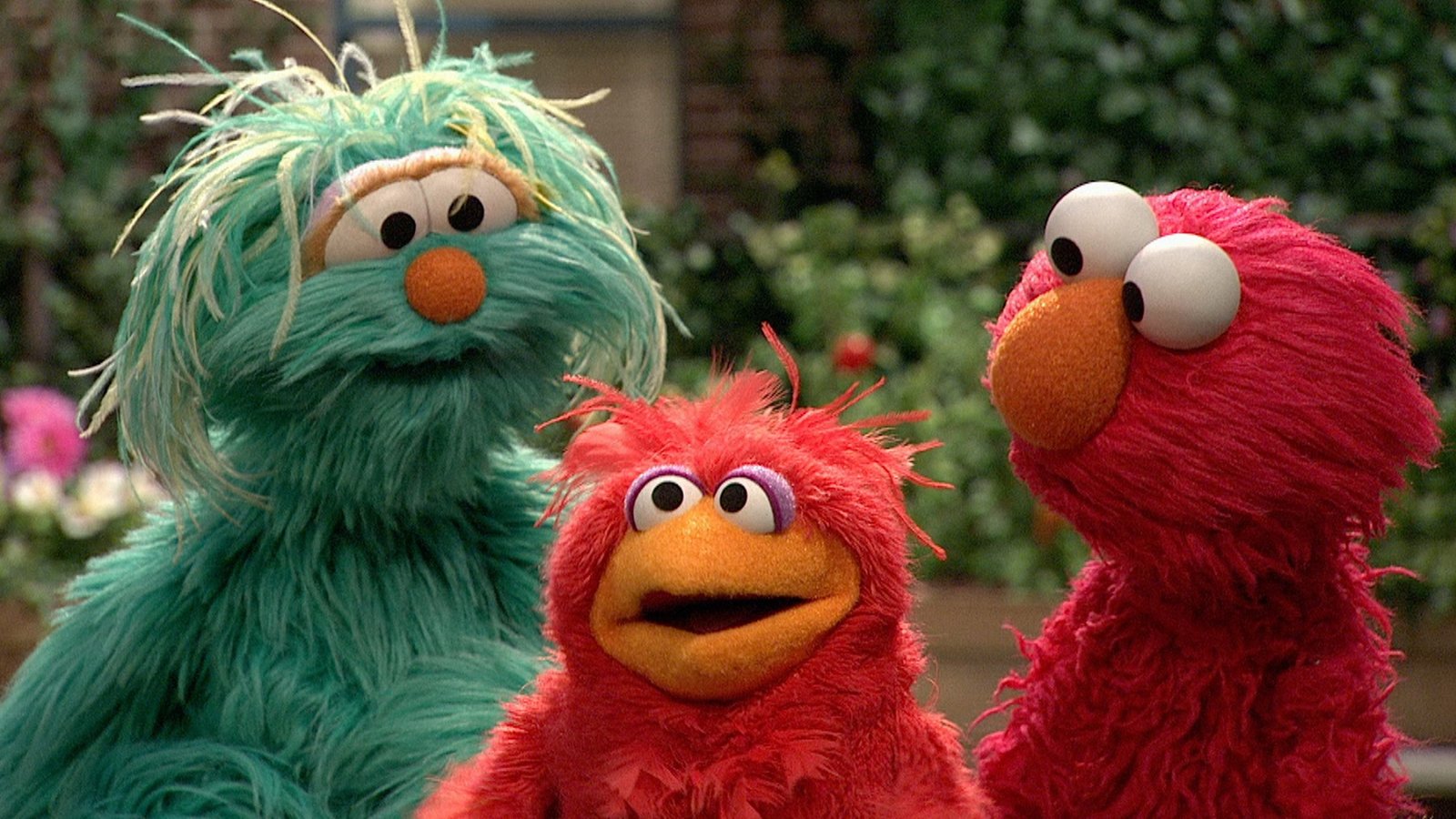
Here are some questions that will help you unpack some of the topics in the episode with your child.
- When Elmo and Rosita find the baby bird, they can’t figure out what the baby bird is trying to tell them. Have you ever tried to communicate something to someone, but they couldn’t understand you? How did that feel?
- “Chasing the cheese” was a silly and fun way for the inhabitants of Sesame Street to get some exercise. How have you been moving your body and exercising lately? Can you think of a fun and silly way to get some exercise with your family this summer?
- During Elmo’s World, Elmo asked children how they play with their pets. Do you have a pet? If so, how do you play with your pet? If you don’t have a pet, have you ever played with a friend or relative’s pet? What did you do?
Below are some other activities to try as a family.
- Check out some of Audubon’s resources on birds! Here’s some information on what to do when you find a baby bird near your home, some activities on Audubon for Kids, how to make a DIY birdfeeder, or take a look at some adorable baby bird photos.
- Watch the Sesame Street crew’s NPR Tiny Desk Concert!
- Complete some Summer Reading activities to earn your Wellness Warrior badge! You can try a new fitness activity, take a walk or bike ride with your family, and so much more.
- Dance is exercise too! Sign up for our Watch Live: Family Concert with Tunes with Tim on Monday, July 27th at 10 am.
- Try eating or cooking with a new fruit or vegetable (with your grownup of course!). Here’s a smoothie tutorial by Cookie Monster. What did you eat and/or make? Make sure you log your activity to help earn your Summer Reading Garden Guru badge!
Youth Services Assistant Librarian Stefanie
You can now register to pick up a Take-and-Make Kit during the Barrington Area Library’s Parking Lot Pickup hours, bringing a fun new art project home to explore. Here are instructions for each kit:
Toddlers & Preschoolers: Contact Paper Stained Glass and Nature Art
Contact Paper Stained Glass
- Cut out different colored shapes from the cello paper.
- Remove the backing from the contact paper, carefully setting the sheet down sticky-side up.
- Press the cello paper down onto the sticky contact paper.
- Display your artwork in a window, letting the light shine through.

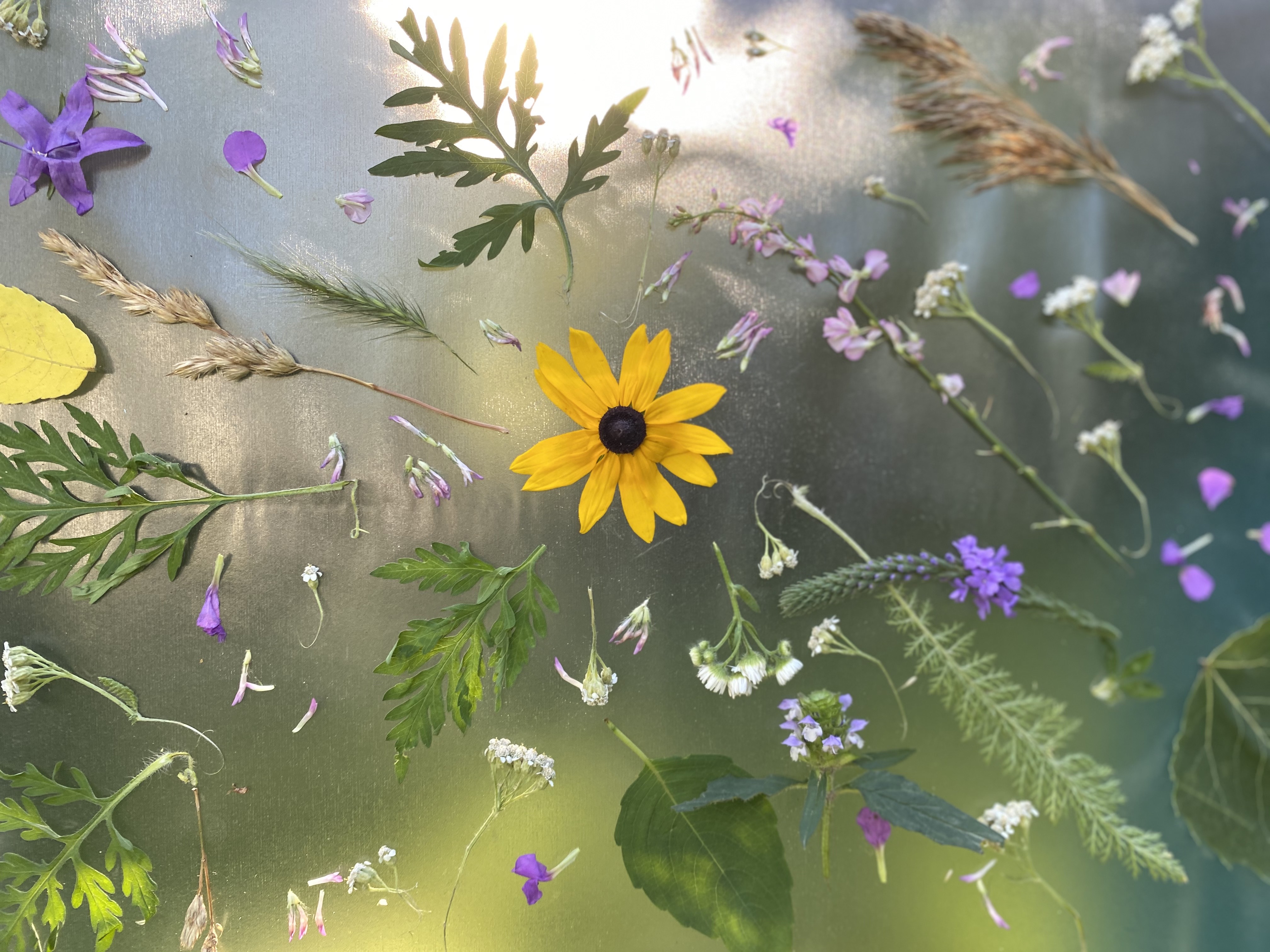
Contact Paper Nature Art
- Go outside, gathering up small leaves, sticks, and flowers.
- Remove the backing from the contact paper, carefully setting the sheet down sticky-side up.
- Press the objects from nature down onto the sticky contact paper.
- Feel free to add any other materials from your own supplies.
- Display your artwork!
Grades K-2: Sidewalk Stained Glass
Turn your sidewalk or driveway into a work of art, while having fun in the sun.
- Find a square of sidewalk or driveway, or make a large square or rectangle out of tape.
- Stretch and stick a piece of painter’s tape, any size, across the space in any direction.
Stick another line of painter’s tape in a different direction. - Keep going to create different geometric shapes.
- Once your square of sidewalk is broken up with a good number of lines, start coloring in the shapes with sidewalk chalk.
- Use one color for each space.
- Once all the visible pavement is colored over, pull off the painter’s tape.
Grades 3-8: Sun Prints
Use the power of the sun and objects from nature to create beautiful designs.
- Find some objects you’d like to print - leaves, flowers, rocks, or anything you’d like to use to make a print.
- Once you are ready with your objects, remove the blue sun-printing paper from the manila envelope.
- Place the paper in the sun, and then immediately place your chosen objects on the paper.
- Allow to sit in the sun until the sun-printing paper turns very pale blue, about 2 minutes.
- Remove the objects from the paper, and quickly remove the paper from the light.
- Immediately soak the paper in a container of plain tap water for about 1 minute.
- Dry flat.
Youth Services Librarian Allison
For a silly summer read, I recommend this funny take on mermaid life and drama.
You can download Bad Mermaids Make Waves by Sibéal Pounder on Overdrive.
Subscribe to our Youth Services YouTube channel for more videos of book recommendations, story times, and activity how-tos.
Youth Services Librarian Allison

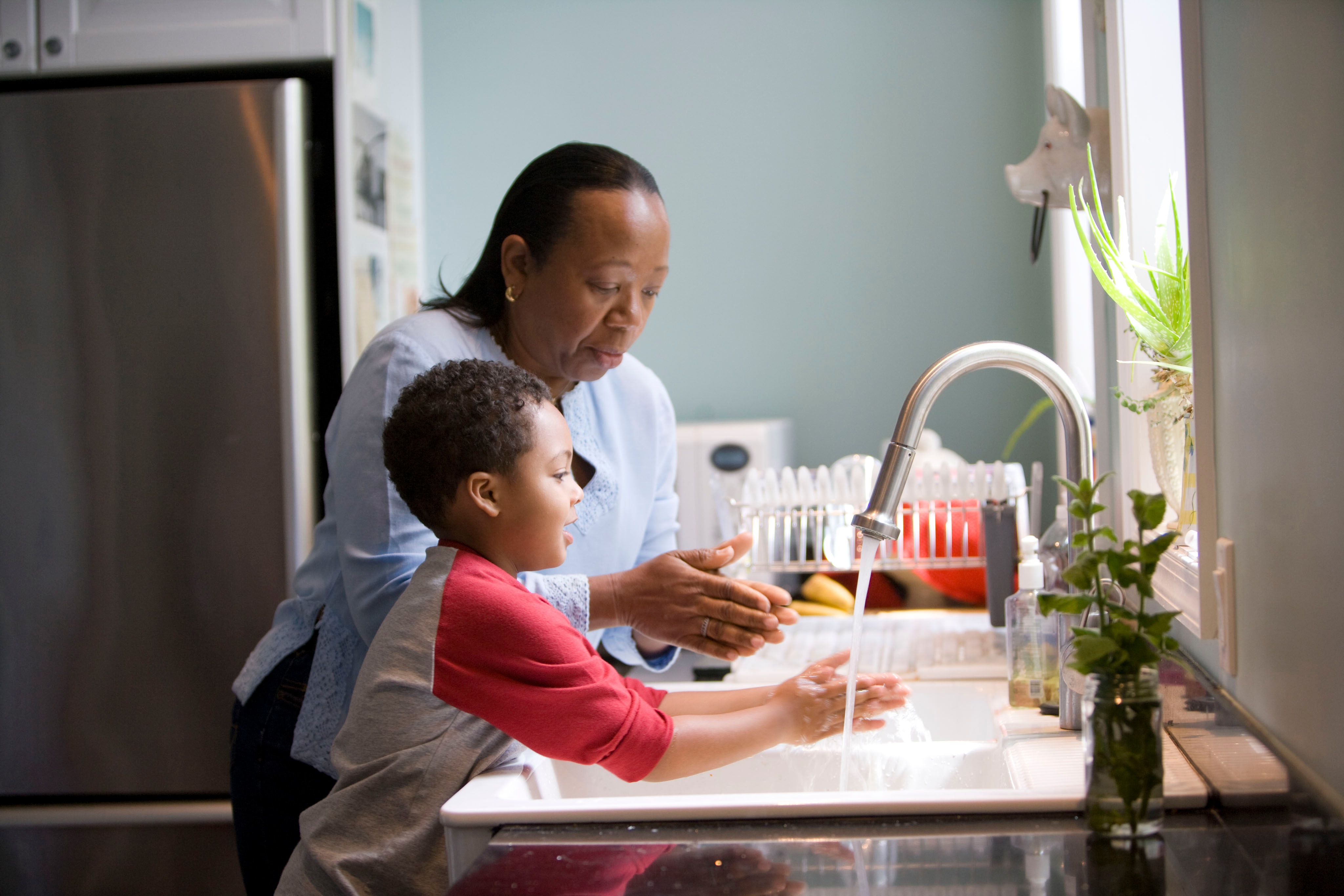
Is hand washing becoming a hassle? Try these simple tactics…
- Make it easy to do. Use a step stool or a faucet extender.
- Your kids are going to learn from you. Make sure you are washing your hands too!
- Sing a song as you scrub along.
Sung to the tone of: Wheels on the Bus
The soap on your hands goes sud, sud, sud.
Sud, sud, sud. Sud, sud, sud.
The soap on your hands goes sud, sud, sud.
And the germs go down the drain.
Sung to the tune of: Are you Sleeping, Brother John?
Tops and Bottoms,
Tops and Bottoms,
In between,
In between,
All around your hands,
All around your hands,
Now they’re clean,
Now they’re clean.
Sung to the tune of: Row, Row, Row Your Boat
Wash, wash, wash your hands,
Wash them nice and clean.
Scrub them here (hand motion scrubbing together)
Scrub them there (hand motion scrubbing tops of hands)
And scrub them in between (hand motion scrubbing between fingers)
Wash, wash, wash, your hands,
Play our handy game
Rub and scrub, scrub and rub,
Germs go down the drain HEY!
Wash, wash, wash, your hands
Play our handy game
Looking for some other ideas of things to do with your little one(s)?
See a list of the library’s upcoming events for young children (Birth to PreK).
 Youth Services Assistant Librarian Venessa
I don’t know about you and your families, but I’ve been using a lot of canned goods these days: from beans to tomatoes to hot peppers. With a few materials from around the house you can upcycle those tin cans into a cute planter, pencil holder, or even a change canister.
Materials:
- Tin can: any size will do, but make sure it has been washed, any sharp edges have been smoothed down, and the label has been removed: ask an adult for help!
- Markers, crayons, colored pencils: you can use one of them, all of them, or whichever medium you most enjoy to decorate with.
- Craft sticks: fat, skinny or a combo, totally up to you.
- Paper: an alternative if you don’t have craft sticks. You can use construction paper, computer paper, textured paper, or whatever you have around the house.
- Rubber bands: the plain, boring kind, or a colorful variety will work; it should fit around your can. You’ll need these if you are using craft sticks.
- Tape: plain tape, colored, or decorative, as long as it sticks to the can: you’re good! You’ll need this if you are using paper.
- Scissors: you’ll need these if you are using paper. Don’t forget to follow good scissor etiquette: pointy part down if you are walking, and never point the pointy part toward someone else.
- Ruler: if you are using paper to wrap your can, you might want this to take measurements.
- Ribbon: optional, but I like the flair it adds.
Now that you have your chosen materials, watch the video below for a step-by-step guide to create your own tin can decor.
Youth Services Librarian Demitra